

Quick takeaway: To create a faith-inspired home, place a few intentional, visible reminders of faith, set aside a regular space and rhythm for prayer and Scripture, and shape hospitality and routines so faith flows into everyday life. These ten practical actions—decor, layout, routines and small rituals—make faith both seen and lived at home.
Decide what “faith-inspired” will look like for your family
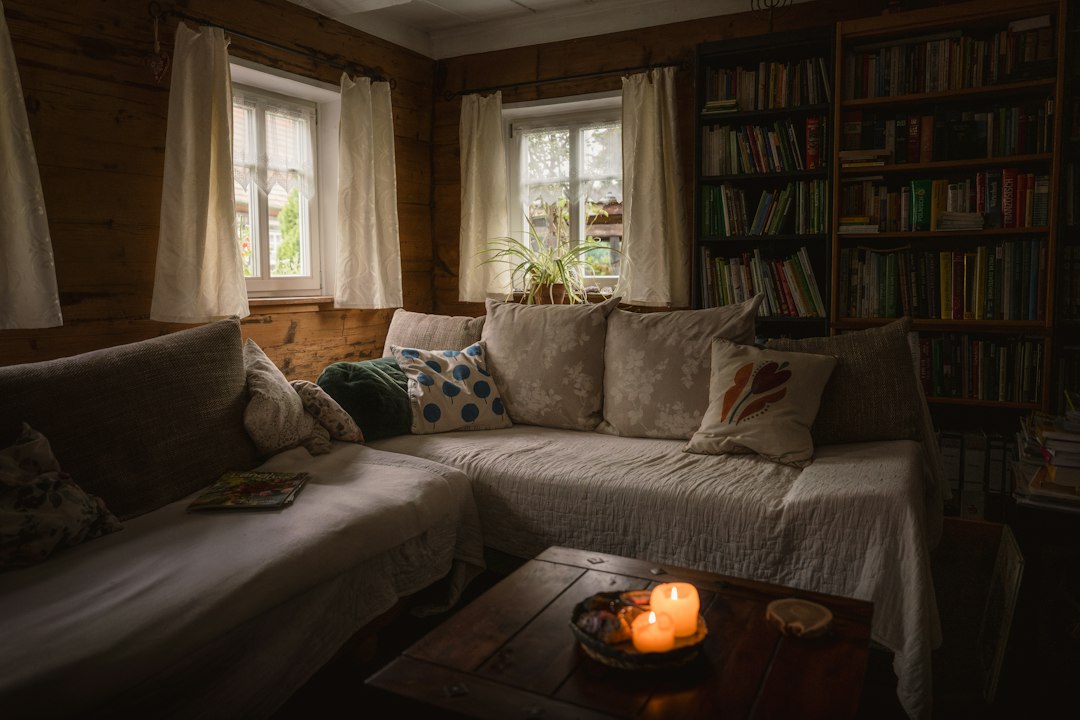
Start with the end: name the tone you want—quiet and contemplative, warm and welcoming, or vibrant and activity-centered. That decision guides everything from where you place a cross or Bible to how much Scripture art you hang. Write one sentence: “Our home will feel __________,” then use that to test choices as you proceed.
Create a welcoming entry that signals faith
The front door is the first message your home sends to guests and household members. A simple “Bless this home” doormat or a small framed blessing on the entry console sets an immediate tone of hospitality rooted in faith. This is also a low-cost spot for a curated seasonal wreath that references Christian holidays.
Design a small, accessible prayer corner
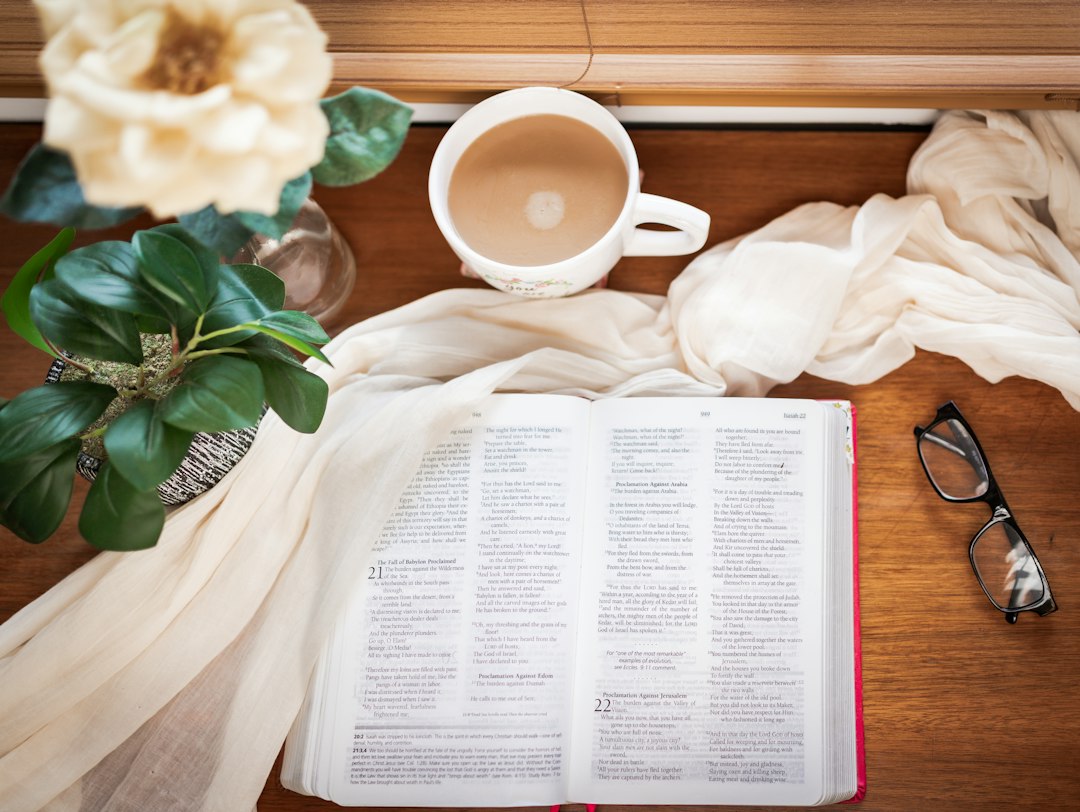
You don’t need a whole room. Pick a quiet chair, a side table and a basket with a Bible, journal, and a small lamp or candle. Keep the space simple so it’s inviting rather than fussy—an open space encourages daily use. If space is tight, convert the top shelf of a bookshelf or a bench by a window.

Use Scripture and faith art where you live and gather
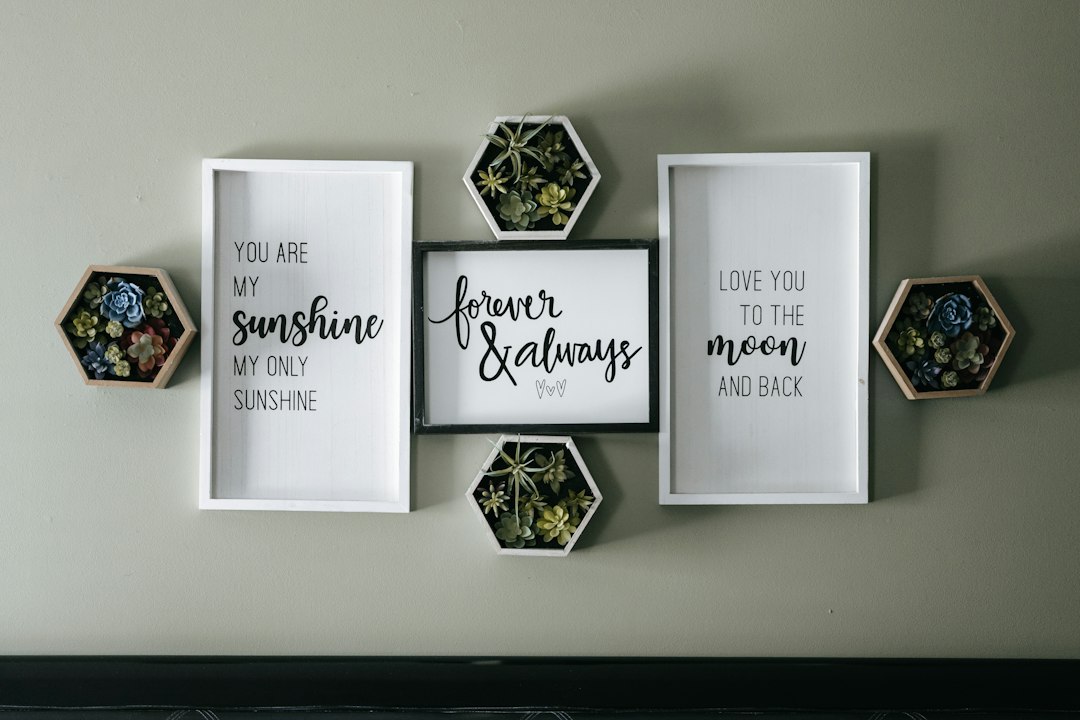
Choose two or three walls for meaningful displays rather than scattering quotes everywhere. A framed verse in the living room, a gallery of small crosses above a hallway table, or a wooden plaque in the kitchen helps make Scripture part of daily sightlines. Rotate a featured verse monthly to keep it fresh and relevant to seasons of life.
Layer faith into functional decor
Mix inspirational items with everyday objects. Throw pillows printed with short phrases (“Grace,” “Faith”) on the sofa, a set of coasters with scripture references, or a decorative bowl holding prayer request slips. Functional items used daily will reinforce faith without feeling like literal signage.
Designate a family worship or reflection routine
Regular rhythms make spaces meaningful. Try a five-minute table blessing before meals, a brief evening family reflection, or a Sunday morning coffee-time reading. Match the routine to your family’s season—shorter, consistent practices tend to stick better than long, occasional ones.
Make hospitality an expression of faith
Faith-inspired homes welcome others. Keep a simple hospitality kit by the door—extra throws, a candle, a notecard for visitors—and an intentional place to greet and seat guests. Offer refreshments with a small blessing or prayer if appropriate; such gestures create community and model faith in action.
Involve each person in meaningful roles
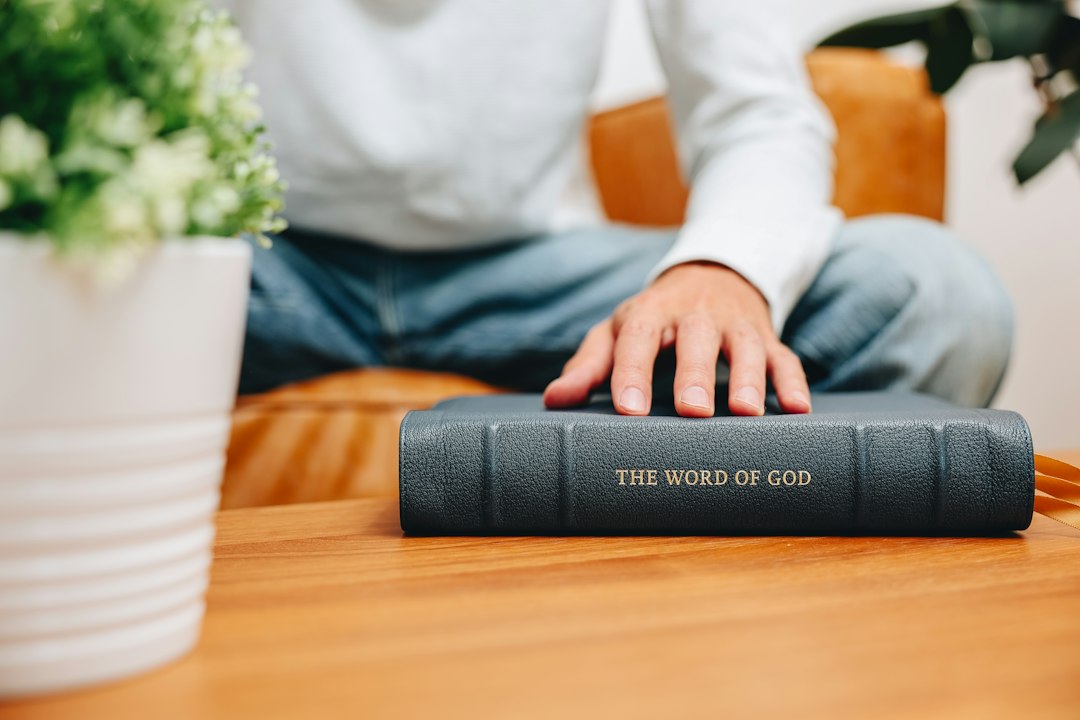
Assign small, faith-focused tasks: someone rotates the verse-of-the-month, another keeps the prayer corner tidy, or a child collects family prayer requests in a wooden box. Shared responsibility makes the home’s spiritual life communal rather than performative.
Use seasonal cues to teach and celebrate
Let Advent, Lent, Easter and other seasons shape your decor and activities. Simple swaps—a Lenten wreath, an Easter centerpiece, or a Christmas nativity on the mantle—can become teaching tools and create anticipation across the year without requiring elaborate spending.
Choose a few meaningful purchases, not many
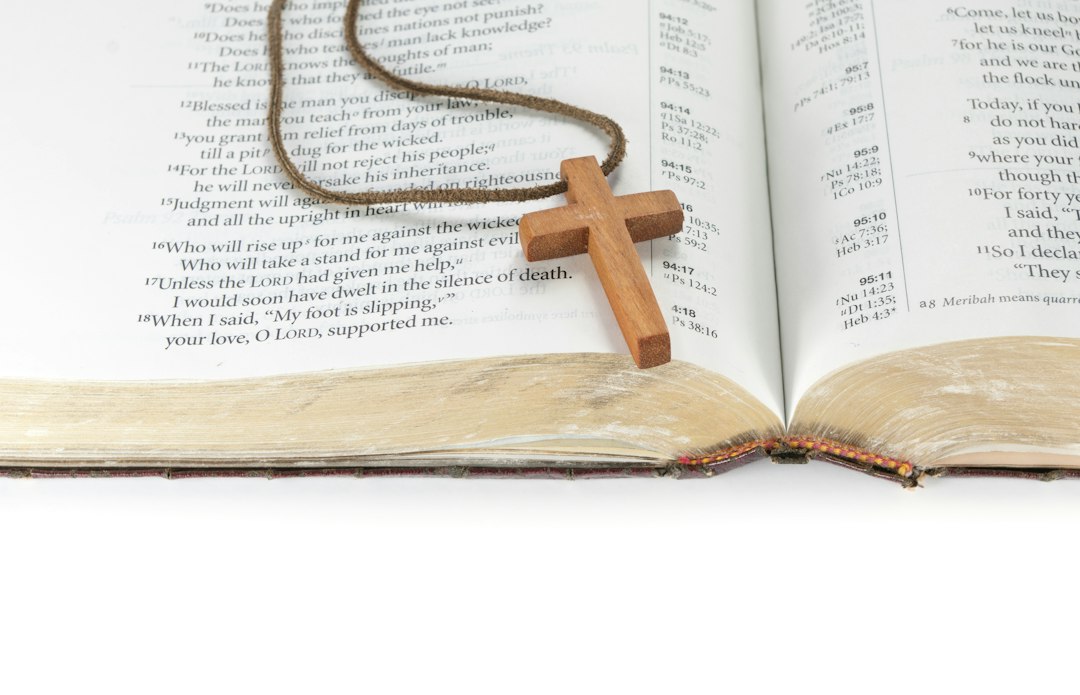
Prioritize durable, meaningful items you’ll use: a readable family Bible, a wooden cross display, or a prayer request box. One well-placed, high-quality piece will be more resonant than many small trinkets. For a practical first pick, a welcoming doormat and a prayer box both invite participation from every household member.
Troubleshooting: when faith decor feels hollow or staged
If a cross or verse becomes mere wallpaper, examine the routines around it. Ask: Are these items touched or referenced regularly? If not, add a small habit—reading the verse together at breakfast or letting the kids write prayer notes for the box—to restore meaning. If visitors feel uncomfortable, scale back explicit signage in shared areas and keep intimate faith displays in private or family-only spaces.
Practical checklist for getting started this weekend
Pick one room and apply three changes: an entry blessing, a prayer corner, and one Scripture display. Use the same tone decision you made at the start to choose items and routines.
- Decide the home tone: contemplative, welcoming, or lively.
- Add a welcoming doormat or entry sign.
- Set up one small prayer corner with Bible and journal.
- Hang one Scripture piece where the family gathers most.
- Start one short daily routine (table blessing, night reflection).
Making a faith-inspired home is about intentional placement and regular rhythms more than decor volume. Choose a tone, make a few visible reminders, create a usable prayer space, and build small routines that keep faith at the center of daily life.
How much decor is too much?
Quality over quantity: pick a few meaningful pieces that fit your home’s tone. Too many faith signs can feel cluttered or performative.
What if family members disagree about visible faith items?
Compromise by keeping shared areas neutral and placing more explicit items in private family spaces; rotate responsibility so everyone contributes.
Can a small apartment feel faith-inspired?
Yes—use vertical space, a compact prayer corner, and multiuse items (throws, pillows, a small framed verse) to keep impact high and footprint small.
How do I keep faith practices from becoming routine and lifeless?
Change the focus periodically: rotate verses, invite a guest to lead a short reflection, or introduce a seasonal practice to renew attention.