

Start where your Bible already is: a short practical observation
Most beginners overcomplicate Bible journaling by hunting for the “perfect” supplies. In reality, Bible journaling supplies should support reading and reflection—not replace them. Choose a small, usable kit and learn a handful of techniques that actually help you remember and respond to Scripture.
What to buy first: a compact starter kit
Focus on three categories: a readable Bible, marking tools that won't bleed, and simple accessories to organize your notes.
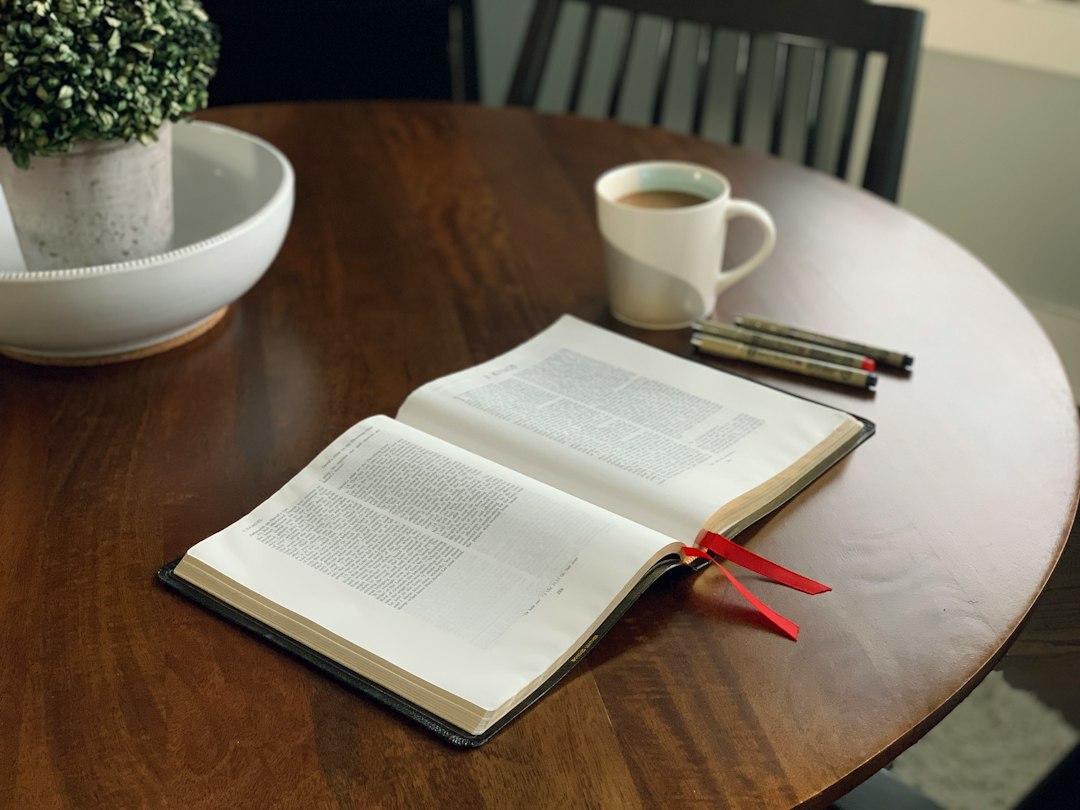
- Journaling or single-column Bible: If you want space to write in the margins, a journaling Bible or a single-column edition with wider margins is easiest. If you prefer to keep your Bible pristine, use a separate notebook.
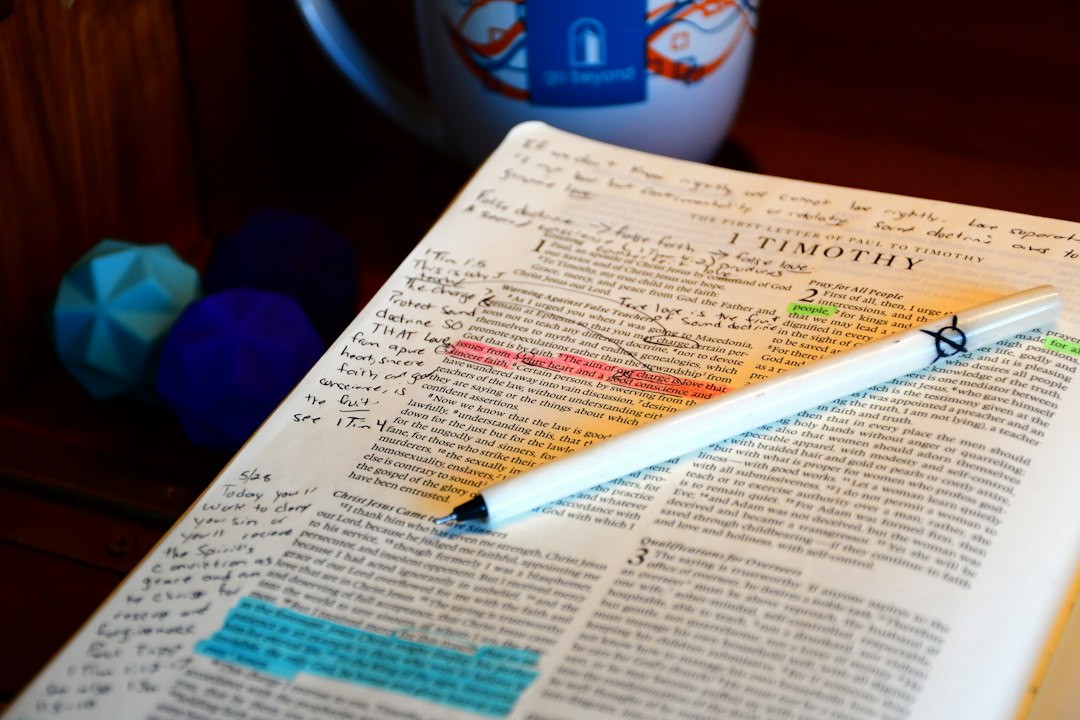
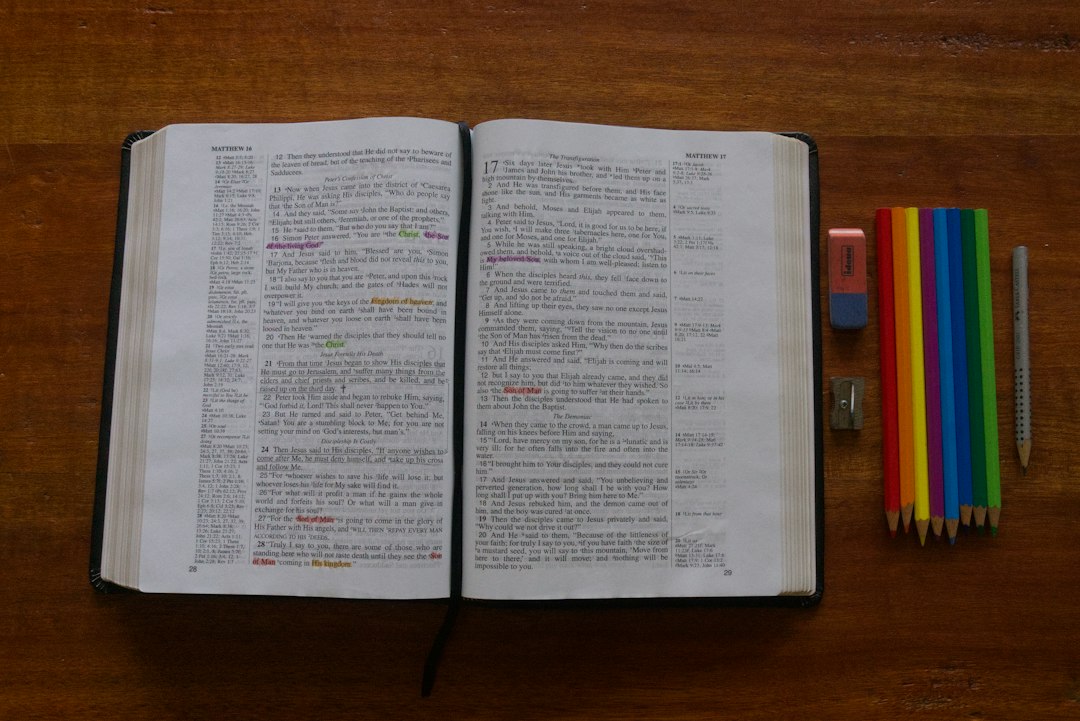
- Highlighters and pens: Water-based, thin highlighters and archival pens (fineliners 0.3–0.5 mm) work best. Test on a scrap page for ghosting. A small set that includes one black archival pen and 2–3 color highlighters is enough to start.
- Tabs and stickers: Pre-cut Bible tabs and verse sticker sheets speed up navigation and add visual cues without heavy commitment.
- Optional helpful extras: A mechanical pencil, eraser, a small ruler, and a travel case to keep pens together.
Quick wins: five techniques you can use today
- One-color highlighting: Choose one color for a single purpose—promises, commands, prayers—so highlights remain meaningful rather than decorative.
- Margin notes with a prompt: Write a one-line summary, a question, or a short prayer beside passages. Use prompts like “What does this say about God?” or “How could I obey this?”
- Verse mapping (mini): Pick one verse, circle key words, and jot synonyms or cross-references. This takes 5–10 minutes and deepens understanding.
- Color-code themes: Limit to 3–4 colors (e.g., blue for comfort, yellow for commands). Consistency matters more than having many colors.
- Use tabs for repeat access: Tab books, letters, or favorite passages so you can return quickly during family devotions or sermon prep.
Deeper practice: building a sustainable journaling habit
Journaling that changes you grows from small, repeatable practices. Pick one Bible book or a daily reading plan, and apply the same journaling routine for two weeks: read, highlight one key phrase, write one sentence of response, and pray for application. That repetition trains both attention and discipline without requiring artistic skills.
Creative ideas that don’t rely on hand-lettering skills
- Sticker reflections: Use verse stickers to mark a verse, then write 2–3 words beside it describing what it means to you personally.
- Washi tape themes: Use different washi tape patterns to mark sermon notes vs. prayer requests—peel-and-stick without writing directly if you prefer minimal marks.
- Mind-map a passage: In a separate notebook, create a small mind map with the verse in the center and branches for “Context,” “Meaning,” “Application.” This keeps your Bible cleaner while still processing deeply.
- Prayers over text: Write short prayers under a verse instead of commentary—this keeps journaling devotional rather than academic.
Common trade-offs and how to decide
Two choices often feel incompatible: keeping the Bible neat vs. expressive journaling. If you want archival preservation, use a separate notebook or printable journaling pages. If immediacy matters—notes while reading your Bible—accept some visible handwriting and invest in archival pens. Another trade-off is time: choose either brief daily entries or longer weekly reflections; both are valid, but mixing both can become a burden.
One product that helps beginners (recommended)
If you want an all-in-one starter kit that minimizes guesswork, choose a ready collection with tabs, stickers and pens so you can begin practicing right away.
Safety and preservation tips
Always test pens and highlighters on a back page or a printed scrap to check for bleed-through and ink reaction. For older or thin-paper Bibles, favor pencil or removable tags. Store stickers and washi tape away from direct sunlight to avoid adhesive discoloration over time.
Where to go next
If you want to pair journaling with a reading plan or choose a Bible designed for margin notes, our guide on how to choose the right study Bible and the category pages for Bibles & Bible Study and Bible Tabs & Highlighters can help you match your habit to specific products.
- Choose one Bible or a separate notebook for journaling
- Test your pens/highlighters on scrap paper for bleed
- Pick 2–3 consistent color meanings
- Use tabs for frequently visited books or passages
- Commit to a short routine for two weeks
Keep your first kit small: a readable Bible, a dependable black pen, a couple of highlighters, and tabs or stickers. Start with a simple routine—read, mark one phrase, write one sentence—and build up techniques that help you respond to Scripture.
Do I need a special Bible for journaling?
No. A journaling or single-column Bible offers wider margins for notes, but many people use a separate notebook or a large-print Bible depending on whether they want handwriting directly beside the text.
Which pens work best in a Bible?
Archival fineliners (0.3–0.5 mm) and water-based highlighters minimize bleed-through. Always test on a scrap page first.
How can I keep journaling from becoming time-consuming?
Limit your practice: pick one short passage, highlight one phrase, and write a single-sentence response. Consistency beats length.
Are verse stickers a good substitute for notes?
They’re a helpful visual shorthand and work well when paired with a brief written reflection nearby; they’re not a replacement for processing the text.
Can I remove mistakes from my Bible notes?
Use a mechanical pencil for erasable notes or write reflections in a separate notebook if you expect to revise or remove entries later.