

Start with what you want to do with it
Ask yourself how you'll actually use the book: short daily devotions, following a reading plan, Bible study group work, or deeper study that aims to understand original-language issues. The most useful study Bible for beginners is the one whose features match that use case—so decide this before you consider translation, size, or extras.
How to choose a study Bible for beginners: match features to use cases
1. For daily devotional reading and reflection
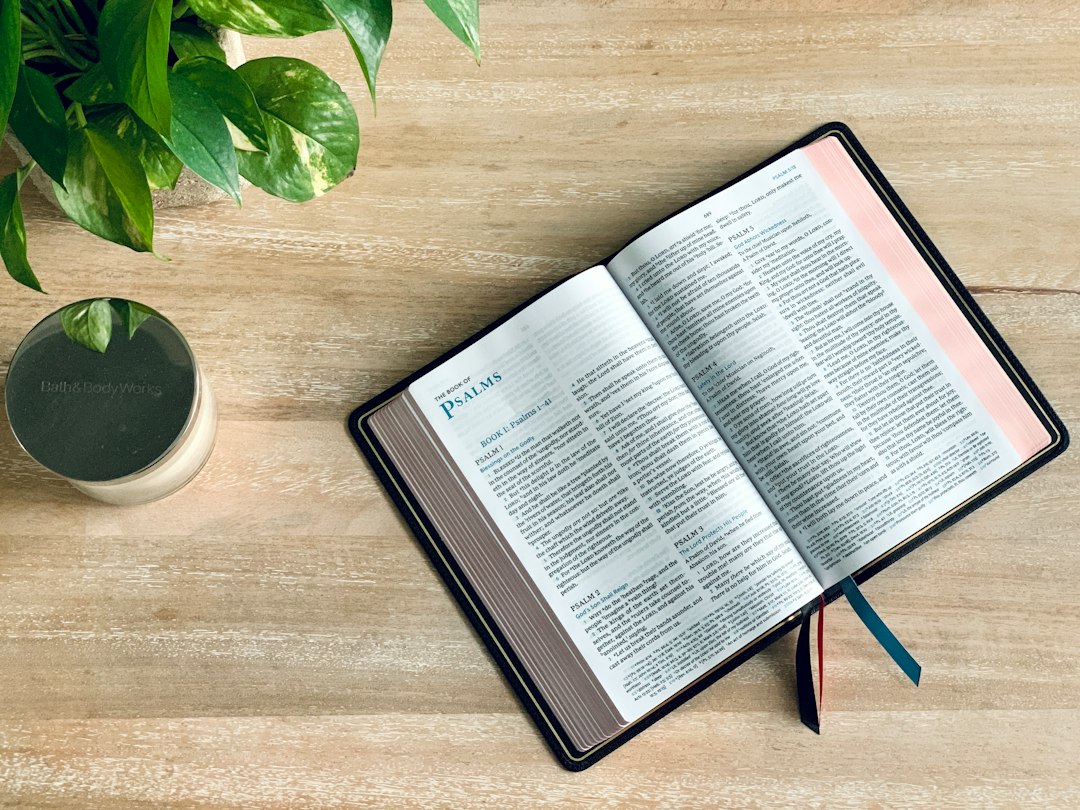
If you want a Bible to read a short passage each day with brief context, prioritize: a readable translation (NIV, NRSV, ESV, or CSB are common), short explanatory notes, a one-year or topical reading plan, and comfortable type size. Look for a single-column layout or paragraph format so the text reads naturally; heavy scholarly cross-references can distract.
2. For small group or Sunday school study
Choose a Bible with study questions or application notes aligned to life and discussion, clear headings, and cross-references that help connect passages across books. Durable binding and a readable font matter if it will be passed around. Consider a study Bible that includes maps and brief book introductions to help participants orient themselves quickly.
3. For learning how to study the Bible more deeply
Beginners aiming to learn tools and method should look for: fuller verse-by-verse notes, charts, word-study helps, background on culture and history, and a good concordance. These features teach you how scholars think about passages and supply references for deeper follow-up.
4. For note-taking, journaling and personal study
If you like to annotate, highlight, or use the SOAP method, favor wide margins (marginal notes/Bible journaling editions), thicker paper to prevent bleed-through, or a large-print edition. A companion workbook or study guide can be useful when you want a guided exercise set to practice study skills.
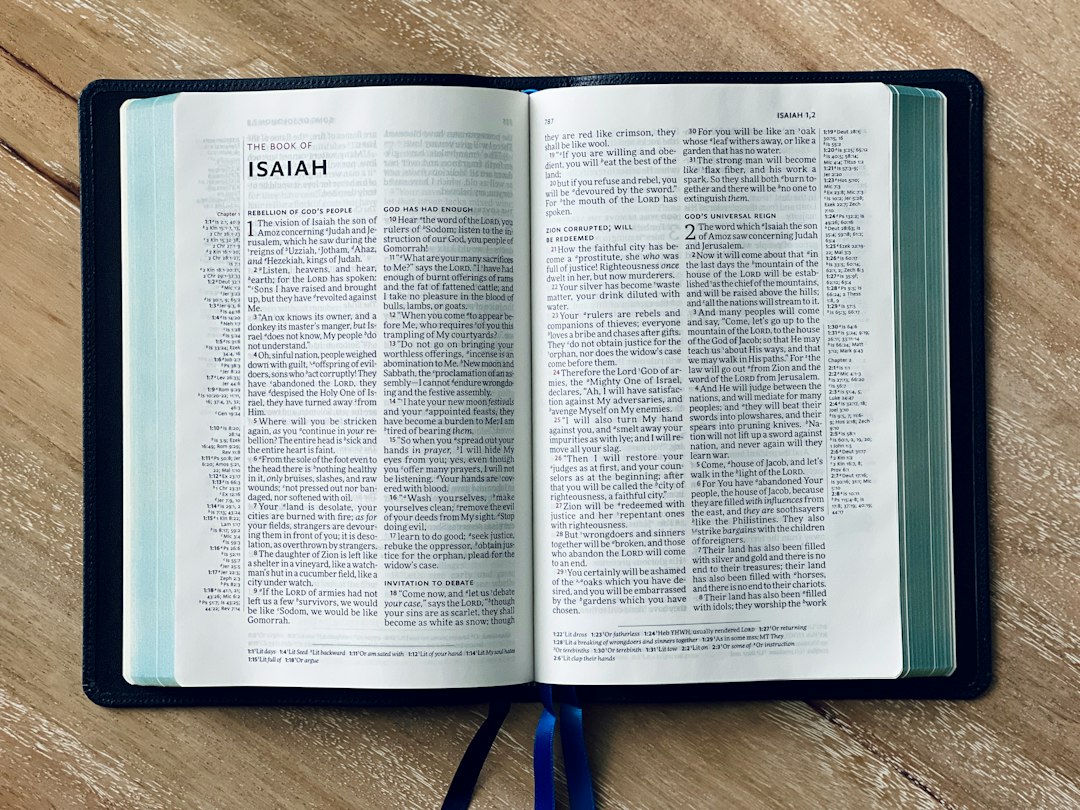
[h3>5. For seniors or readers with vision concernsLarge-print study Bibles reduce strain and make study notes legible. Check the exact point size—“large print” varies—and prefer single-column layouts that increase line length for easier reading. Durable covers and a comfortable weight are also practical considerations.
Translation and readability: meaning vs. literalness
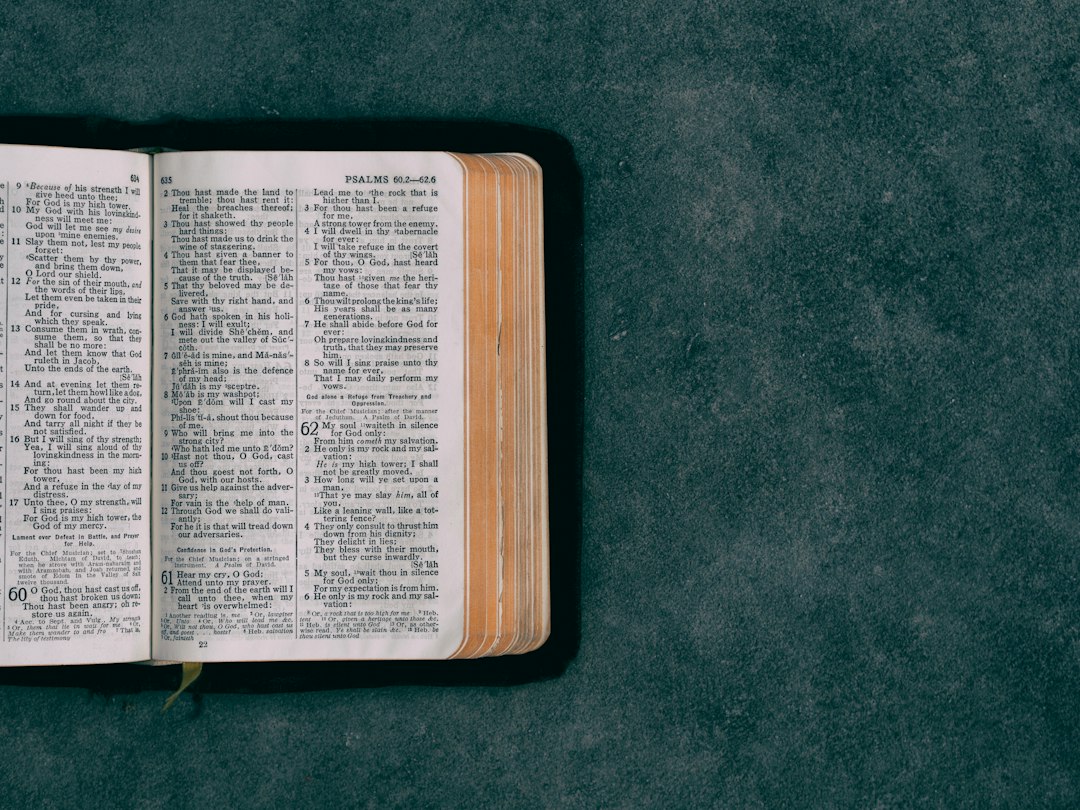
The single most consequential decision after use case is translation. For beginners, readability should be the priority: choose a translation you can read comfortably aloud and understand. Dynamic-equivalence translations (NIV, NLT) smooth modern idiom; formal-equivalence translations (ESV, NASB) stay closer to original wording but can feel stiffer.
If you plan to compare passages or pursue more technical study later, pick one readable translation and—if you want—keep a second literal translation for comparison. Avoid switching translations frequently until you’ve become comfortable with the language and flow of at least one.
What study features actually help beginners
- Book introductions — Short summaries of author, date, themes and structure give orientation before you read.
- Verse-by-verse or section notes — Look for simple, clear explanations that illuminate meaning and application, not dense technical commentary.
- Maps and timelines — Visual context is especially helpful when geography or historical sequence affects interpretation.
- Reading plans and devotionals — Built-in plans help form a habit; choose ones that match your time commitment.
- Cross-references — Useful when they’re not overwhelming; they help you trace themes or prophetic fulfillments.
- Study helps for word meaning — Short word-study notes or a simple concordance let you explore key terms without needing an external lexicon.
Format, binding and portability choices
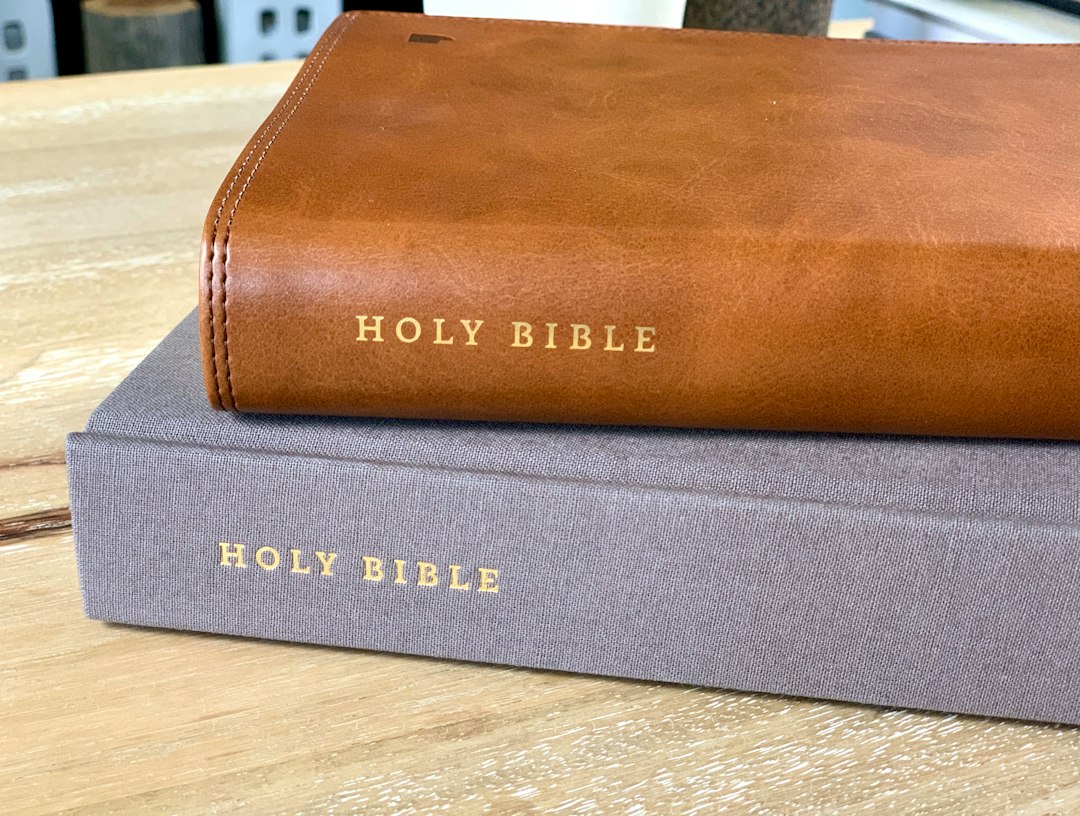
Paperbacks and thin-column layouts travel well; sewn bindings last longer and lie flatter for study; hardcover or imitation-leather covers add durability. If you plan to carry it daily, a Bible cover or tote and a compact size are helpful. For heavy note-taking, a larger format with generous margins is better even if it stays at home.
Accessories and companions that make a study Bible more useful
Beginners often benefit from a structured workbook or journal to practice study methods. The store’s top-ranked workbook is a practical complement: it walks users through questions and exercises that reinforce reading habits and note-taking skills.

When you don’t need a heavy study Bible
Not every beginner needs a dense, academic study Bible. If your goal is devotional formation or regular reading, a lightweight study edition with brief notes and a reading plan is often a better long-term companion than an exhaustive commentary-style Bible whose depth can overwhelm early readers.
- Decide primary use: devotions, group study, deep study, or journaling.
- Pick a readable translation you’ll keep returning to.
- Check for book introductions, short clear notes, and a reading plan.
- Confirm font size and layout (single column vs. two-column) for comfort.
- Choose binding and cover for your lifestyle (portable vs. at-home study).
- Consider a workbook or study journal to practice methods.
A good beginner study Bible balances readable translation, helpful but not overwhelming notes, and a format that fits how you’ll use it. Pairing that Bible with a simple workbook speeds learning and turns reading into a sustainable habit.
Which translation is best for beginners?
Choose a readable translation you understand easily—NIV, NLT, CSB or ESV are common choices; prioritize clarity over technical literalness when starting out.
Do I need a study Bible and a workbook?
A study Bible provides context and notes; a workbook teaches methods and habits. Together they accelerate learning, but you can start with one and add the other as needed.
Are electronic study Bibles a good option?
Apps and eBibles are convenient and searchable; they work well if you prefer portability, but paper editions often make note-taking and reflection easier for beginners.
What size/type should I get for note-taking?
Choose a margin or journaling edition with wider margins and thicker paper, or a larger-print single-column format, if you expect to annotate heavily.
How important are maps and timelines?
Maps and timelines offer quick orientation and are especially useful for understanding narrative books and historical context; they’re a good inclusion for beginners.