

Start with the outcome: what a daily Bible study routine should do for you
A daily Bible study routine should bring you regular exposure to Scripture, a way to process what you read, and a practical step you can actually repeat. Ignore magic-length sessions, elaborate schedules, or pressure to “do it perfectly.” What matters is consistency, comprehension, and application—done in a way you will keep doing next week and next month.
Choose a realistic format you’ll maintain
Instead of aiming for an hour every morning, pick a format that matches your current life for at least 30 days. Examples that work for busy and seasonal lives:
- 10–15 minutes of focused reading and one reflection sentence (best for weekday mornings).
- 20–30 minutes every other day, with a longer session on weekends.
- A short reading at a consistent trigger (after coffee, before lunch, or at bedtime).
Pick one of these and commit. The goal is to build the routine skeleton first; you can expand depth later.
Set a clear, tiny first task
Make the first action specific and trivial: “Open to today’s passage and read three verses” or “Read one Psalm and write one sentence about what stands out.” A tiny starting task beats vague intentions because it reduces friction and decision fatigue.
Design the practical flow: what to do in 10–30 minutes
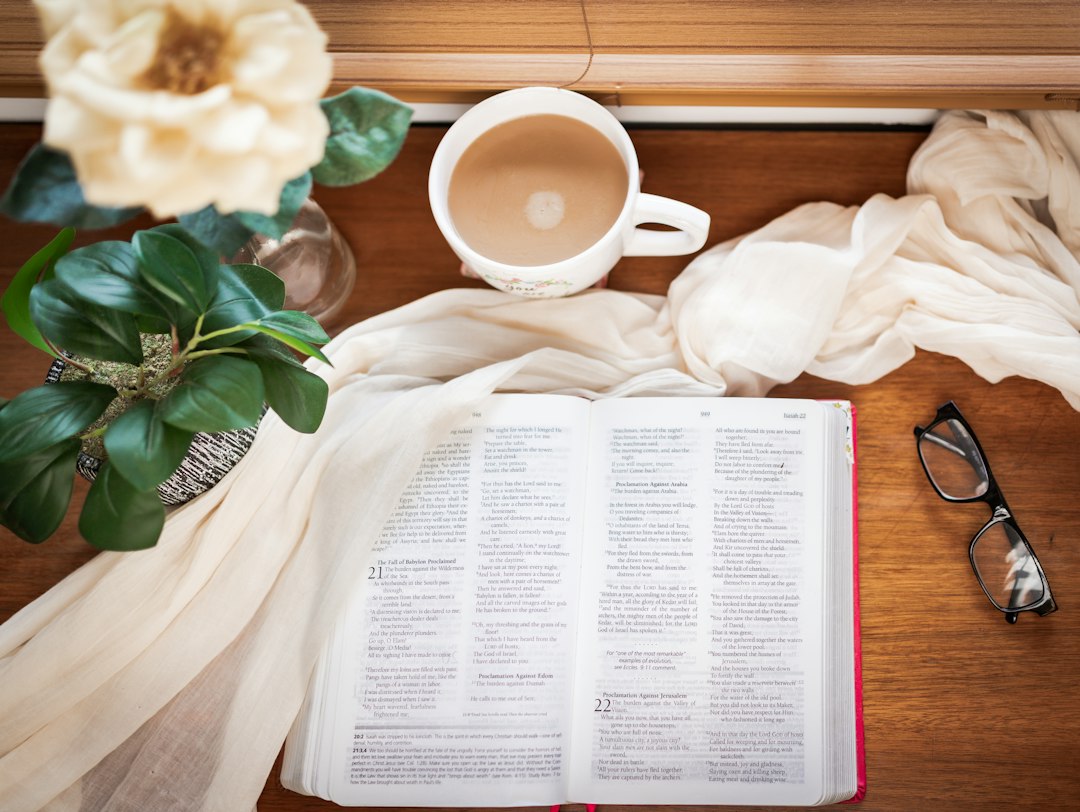
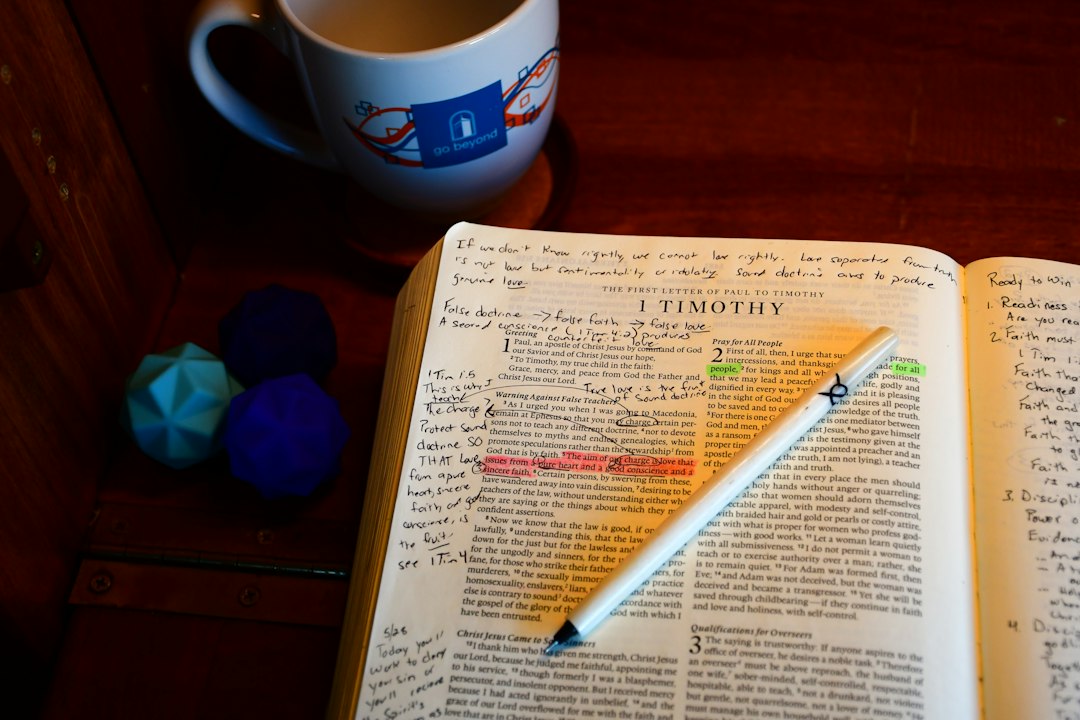
- Prepare (1–2 minutes) — Sit in the same place, gather your Bible, notebook, pen and a highlighter or Bible tabs. Briefly pray for focus.
- Read (5–15 minutes) — Read slowly. For narrative, read a short section; for Psalms or Proverbs, read a full chapter; for epistles, read one passage. Don’t rush.
- Observe & Note (3–7 minutes) — Note one or two observations: a repeated word, a command, a promise, or something surprising. Use a simple notebook entry: reference, 2–3 observations, one application.
- Apply (2–5 minutes) — Write a single concrete action or a prayer shaped by the passage (e.g., “Ask God for patience before work meeting,” or “Choose humility in conversation today”).
- Close (30–60 seconds) — Pray a short, specific prayer based on your application.
Pick a study approach that fits your goals
Approach choice keeps you from hopping between methods and burning out. Options:
- Book-by-book: read a book of the Bible slowly to follow context and flow.
- Topical or devotional plan: focus on themes like prayer, grace, or perseverance.
- One-year reading plan: broad exposure to Scripture each year (good if you prefer variety).
Choose one approach for at least two months. If you want structure without creating it yourself, a workbook is often the easiest launch pad.
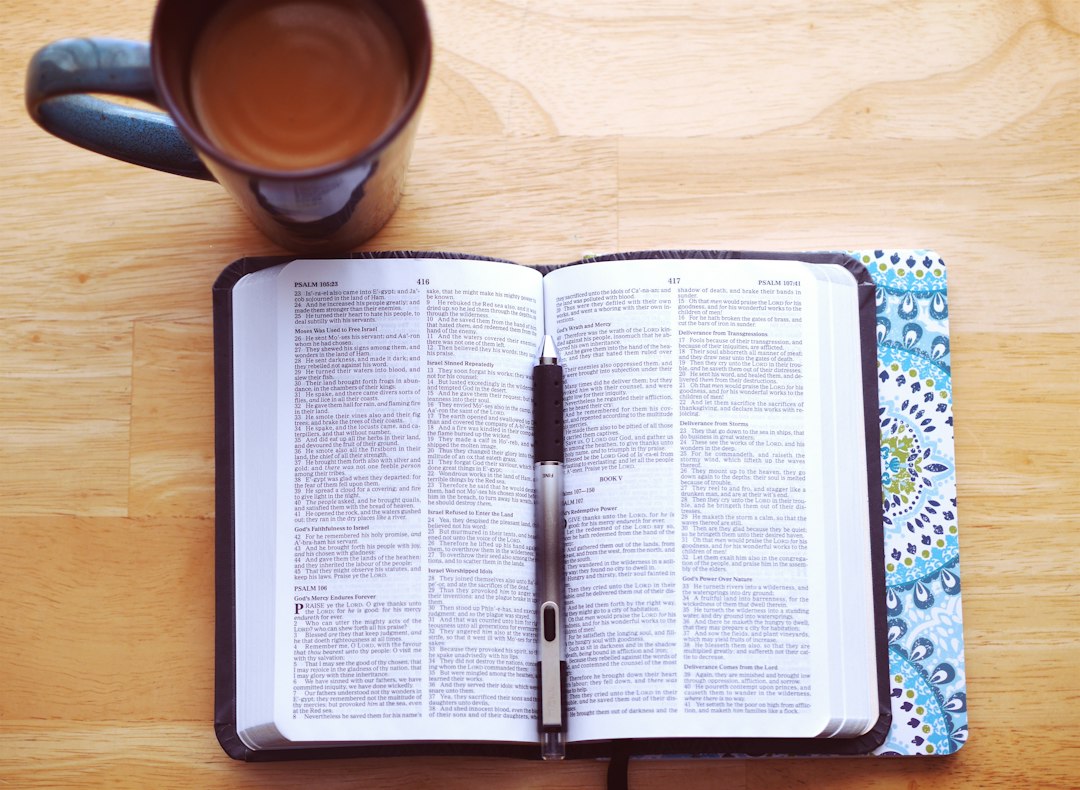
Product recommendation: if you want a guided one-year structure, consider a workbook that leads daily with short prompts and reflections. For most starters the obvious helper is a ranked Bible study workbook that provides daily passages and short questions to guide observation and application.
Build habit anchors and reduce friction
Make the routine hard to skip by attaching it to an existing habit (after breakfast, before your commute, or when you make your evening tea). Reduce resistance by prepping the night before: place your Bible and notebook where you’ll see them, and set a single alarm labeled “Bible time.”
Use simple tools that help, not distract
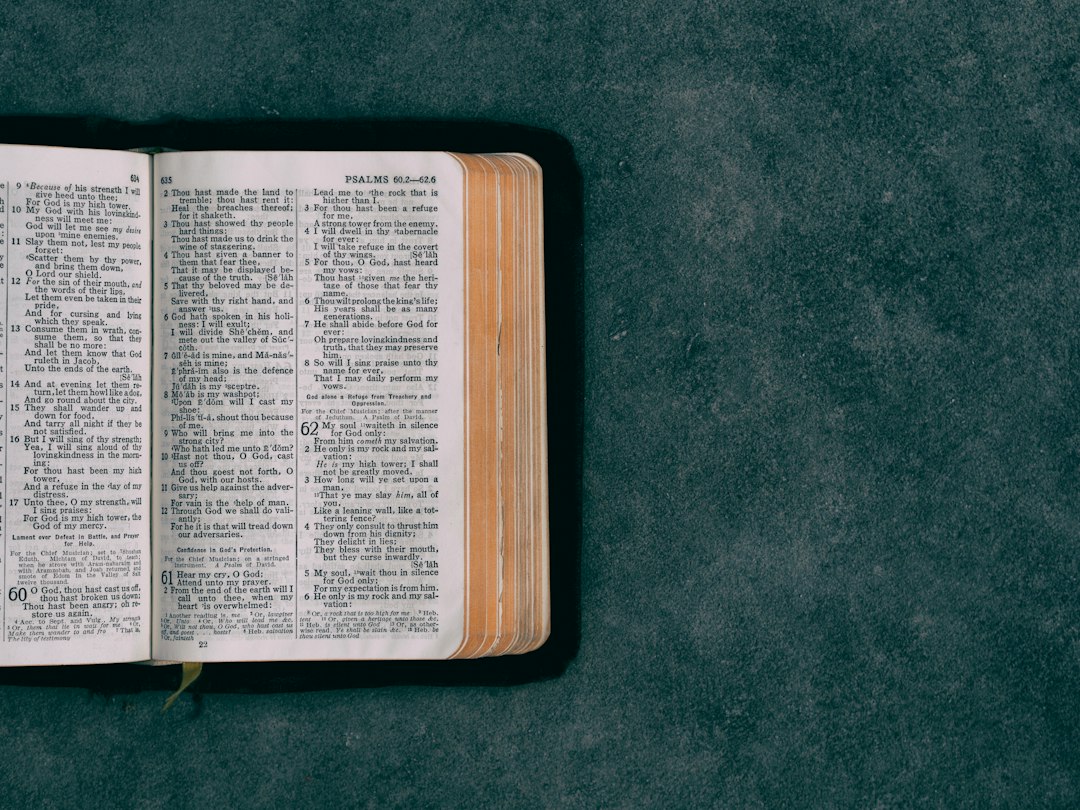
Minimal, durable tools aid consistency: one good study Bible or readable translation, a lined notebook for notes, a few highlighter colors, and tabs for books you return to. Avoid turning every session into a research project—save that for weekly deeper study.
Measure progress without judgment
Track attendance, not perfection. Keep a simple habit tracker (calendar checkmarks, a habit app, or one line per day in your notebook). After 30 days, review what you remember and what’s changed in your behavior or prayers—this is your success metric.
Troubleshooting common sticking points
Problem: I miss mornings or sleep through the alarm
Move the routine to another consistent trigger (lunch break, after kids’ bedtime). Shorter, reliable sessions beat ambitious but missed ones.
Problem: I don’t know what to do with hard passages
Note the confusion and move on; mark the passage for later study. Use a trusted study Bible note or the workbook’s guidance instead of trying to resolve everything at once.
Problem: My mind wanders
Shorten the session and read slower. Write one observation sentence immediately after reading to anchor understanding.
How to adapt the routine seasonally
Expect season changes: travel, work projects, family rhythms. Plan flexible windows—keep a reduced “maintenance” plan (5 minutes of reading and one sentence) for busy seasons and a fuller plan when you have space. Reassess goals every 3 months.
When to invite others or add accountability
Accountability helps if you struggle to keep going. Options: one partner for weekly check-ins, a small group that meets twice a month, or a short shared reading plan. Keep the group focused on encouragement and application—avoid turning the meeting into a lecture.
Final encouragement and next practical steps
Begin by choosing your format and setting a start date. Prepare your space tonight, set a single alarm, and commit to the tiny first task for 30 days. Expect imperfect days—what matters is returning and keeping the practice simple.
- Pick a realistic format (10–15 min daily, or alternate days) and commit for 30 days.
- Set a consistent anchor (after coffee, before bed) and place Bible + notebook where visible.
- Follow the simple flow: prepare, read, observe, apply, close.
- Use one guided workbook for structure if you need help (start after two weeks if unsure).
- Track sessions with a calendar check or habit app; review at 30 days.
- Plan a maintenance version for busy seasons (5 minutes and one sentence).
A daily Bible study routine that sticks is built on tiny, repeatable actions and a simple, repeatable flow. Start small, use one consistent approach, remove decision friction, and measure consistency not perfection.
How long should my daily Bible study be?
Start with 10–15 minutes if you’re new; extend to 20–30 minutes when it feels natural. Consistency outweighs length.
Which Bible translation should I use?
Choose a translation you can read comfortably—ESV, NIV, NRSV, or CSB are reliable. For deep study pair a readable translation with a study Bible that has notes.
Can I use a devotional instead of reading the Bible?
Devotionals are fine for encouragement, but include Scripture reading regularly so Scripture, not commentary, shapes your habits.
What if I miss several days?
Return without guilt: shorten the next session to a tiny task and restart your tracker. The restart is part of the habit, not failure.
Are study workbooks worth it for beginners?
Yes—workbooks give structure and short questions that teach observation and application, making habit formation easier.