

When you walk in and notice blank walls and cluttered shelves
You want a home that quietly reflects your faith—without feeling like a chapel or a store. Christian home decor ideas should add warmth, encourage memory and fit the way you live. Below are 15 practical, room-by-room ways to bring faith into your home with style, balance and purpose.
1. Make one statement wall with a scripture canvas
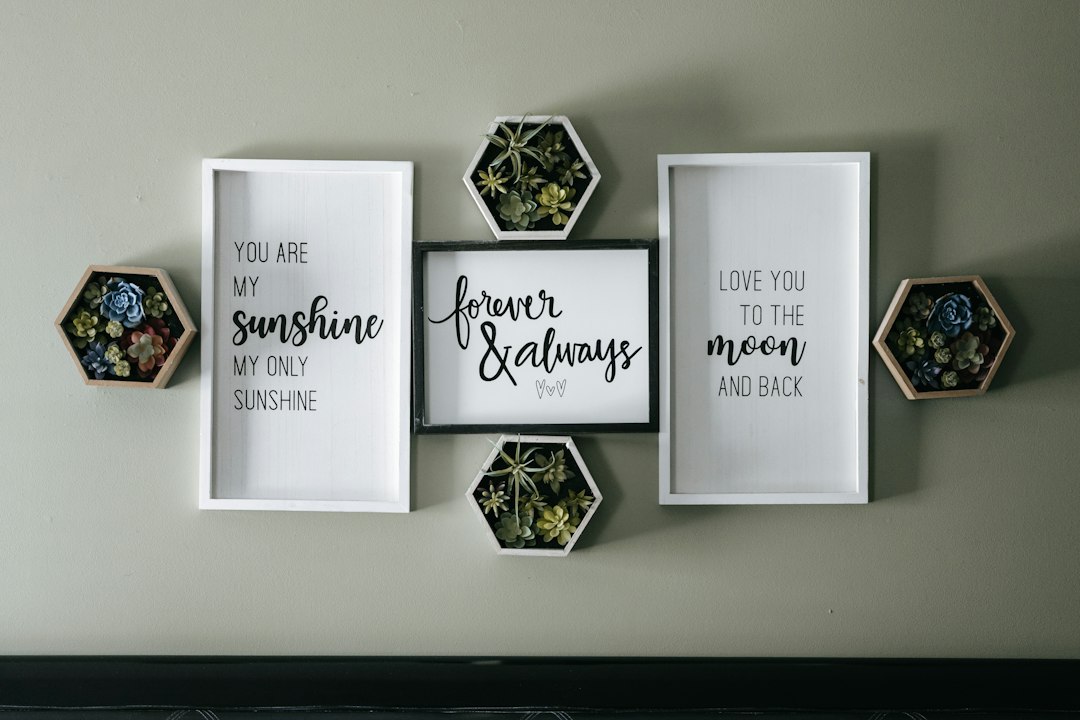
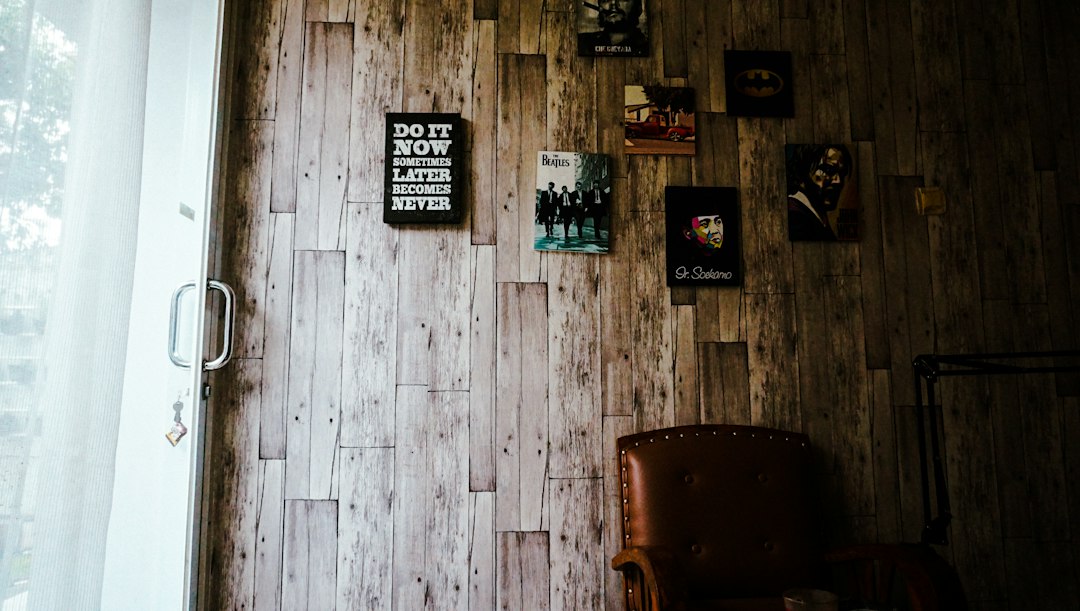
Pick a single wall—above the sofa, the bed, or a hallway—and hang a scripture canvas sized to the furniture below it. A single large piece reads cleaner than many small signs, and a canvas has a softer, contemporary look than raw wood. Choose a verse that matters to your household or rotates seasonally.
2. Mix a wooden cross into a gallery, not isolated
Instead of an isolated cross, build a mixed gallery: framed family photos, a small shelf, a botanical print, and a wooden cross. The cross then becomes part of your family narrative and fits multiple decor styles from farmhouse to modern.
3. Create a prayer corner where people actually sit
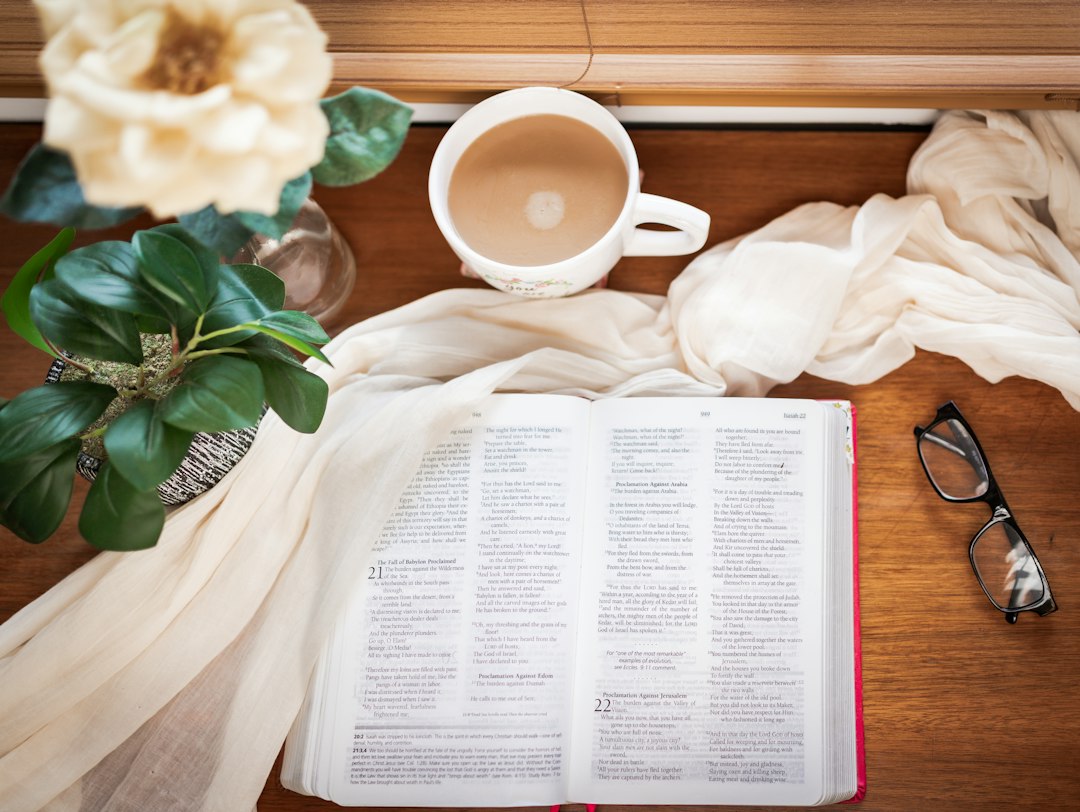
Designate a quiet corner with a comfortable chair, a side table for a Bible and journal, a small lamp, and a basket for blankets or devotionals. Keep the space uncluttered and within sight of daily activity so it’s used—not ignored.

4. Use tabletop scripture signs where you need encouragement
Tabletop signs belong on entryway consoles, kitchen counters, or work desks. They’re small, inexpensive, and easy to move. Choose short phrases—“Be still,” “Bless this home”—that read at a glance.
5. Layer faith with functional decor in the kitchen
In the kitchen, combine devotional books and a prayer jar with functional items like cookbooks and a tea canister. A scripture tea towel or a small framed blessing near the sink can feel like hospitality rather than sermonizing.
6. Soften bedrooms with scripture pillows and bedside devotionals
Use a pillow or a framed verse near the headboard for a nightly reminder without dominating the room. Keep a bedside stack: a short devotional, a small notebook, and a reading lamp to encourage evening reflection.
7. Design a child’s room with story-based faith elements
Instead of text-heavy decor, use story-driven items—Noah’s ark toys, illustrated scripture prints, and a faith-based nightlight. For infants, a subtle mobile with crosses or stars keeps the room peaceful and age-appropriate.
8. Display family memorables alongside faith artifacts
Combine baptism photos, wedding keepsakes and a small plaque of a meaningful verse on the same shelf. This ties faith to family memory and makes the decor personal, not generic.
9. Add seasonal Christian accents thoughtfully
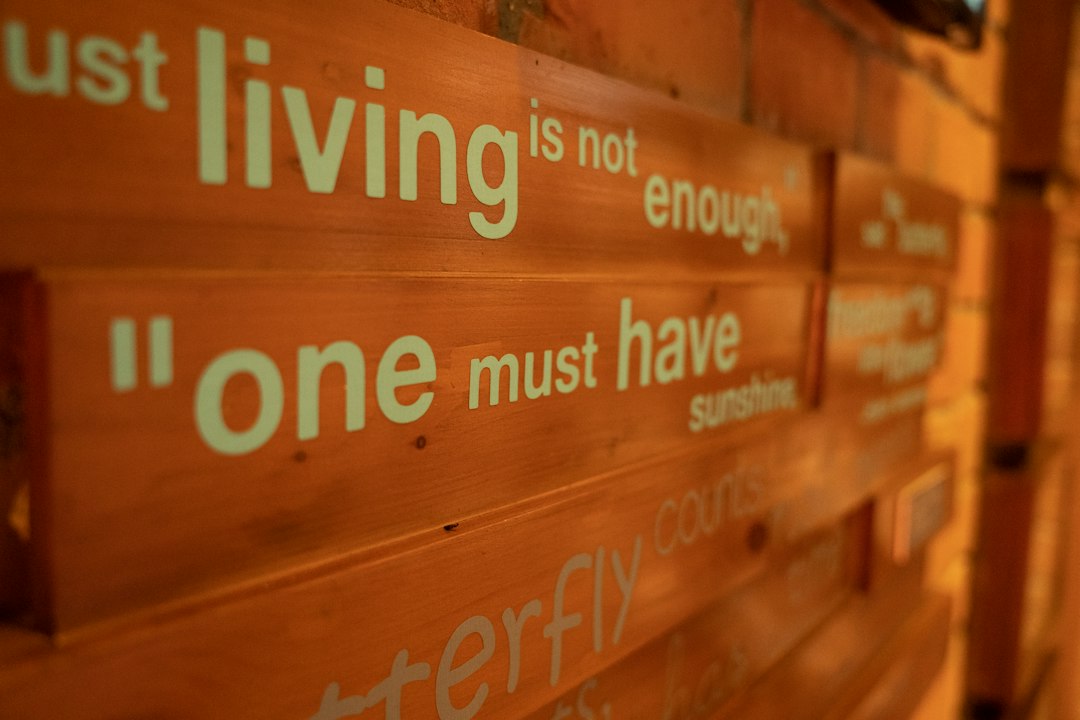
Swap small seasonal items—Easter lilies or a cross-shaped wreath at Easter, a nativity vignette at Christmas—rather than redecorate wholesale. Keep storage labeled by season so swaps are quick and intentional.
10. Choose durable wall art for high-traffic spaces
In entryways and hallways, prefer canvas or treated wood that resists fingerprints and dust. A durable scripture canvas or a wooden wall cross (like the Rank #1 product in our catalog) gives lasting visual impact without frequent upkeep.
11. Combine devotionals with coffee-table style
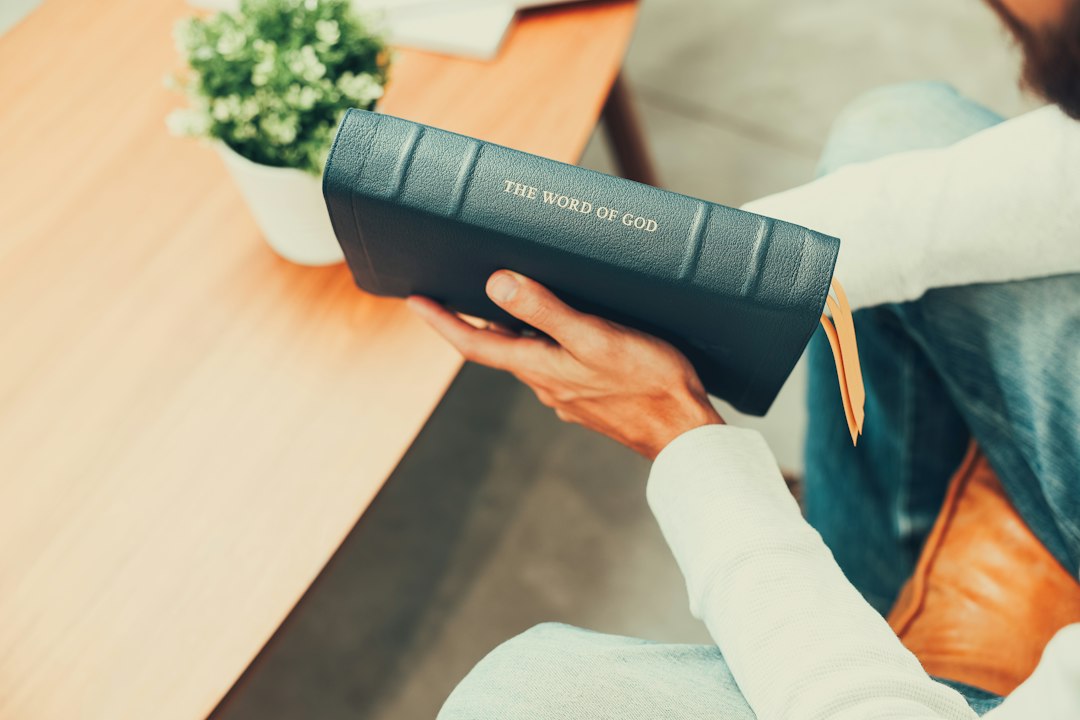
Keep a small stack of beautifully bound devotionals or a family Bible on the coffee table with a decorative tray and a candle. It invites casual reading and conversation rather than hiding faith materials in a drawer.
12. Use subtle typography and neutral palettes for modern homes
If your home leans modern, pick neutral-toned scripture art with clean fonts. Minimal pieces—single-word prints like “Grace” or “Hope”—fit modern schemes and still carry meaning.
13. Make a simple entryway blessing
Place a durable sign or wooden block with a short blessing—“Enter with gratitude”—near the door. This small touch shapes the mood for guests and family without overwhelming the space.
14. Anchor open shelving with small faith objects
On kitchen or living room shelves, intersperse practical items with a couple of faith objects: a small cross, a scripture card in a frame, or a devotional mug. Use groups of three for balance and leave negative space so shelves don’t feel crowded.
15. Choose materials that match your lifestyle
Families with young children might prefer washable pillows, metal or treated wood crosses, and unbreakable tabletop signs. Empty-nesters can use glass frames and delicate canvases. Match material durability to real life, not just the look you want.
- Pick one focal wall for bold scripture art.
- Design a small prayer corner with seating and a light.
- Layer crosses with family photos or plants for warmth.
- Choose durable materials for entryways and kitchens.
- Rotate one or two seasonal faith accents, not everything.
Blend faith and function by choosing a single meaningful piece for each room and arranging it with everyday items. Prioritize durability and personal meaning so your decor invites reflection without dominating the home.
How do I pick a scripture to display?
Choose a verse that resonates with your household values or that you want to remember daily; short passages work best visually and are easier to read at a distance.
Can Christian decor be subtle and modern?
Yes—select neutral palettes, simple fonts, and minimal phrasing (e.g., “Grace” or a short verse) to keep a modern aesthetic while conveying faith.
Where should I place a prayer corner?
Pick a low-traffic, quiet spot with comfortable seating and a small table for a Bible and journal—near natural light if possible so it’s inviting to use.
What materials work best for homes with kids?
Use washable textiles, treated wood, metal accents, and unbreakable frames to keep decor child-friendly and long-lasting.