

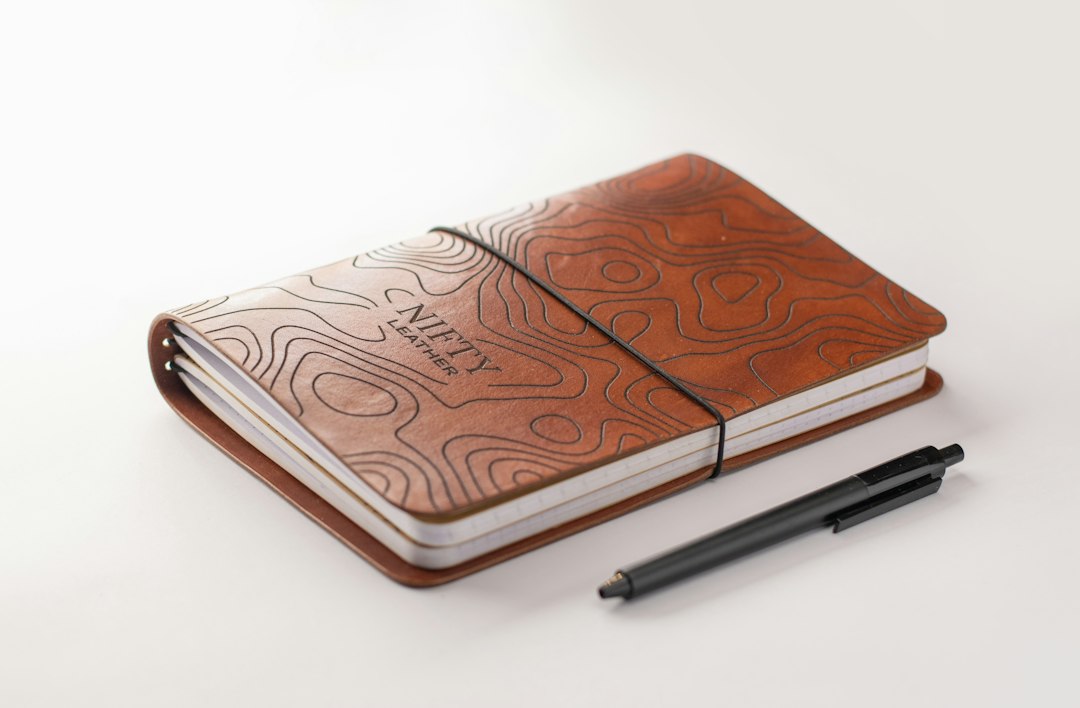
Many people assume devotional books and prayer journals are interchangeable — they aren’t. Here’s the simple distinction.
If you’re wondering which to buy first, the clearest short answer is: a Christian devotional book gives structured short readings (often daily) to shape reflection and Bible reading; a prayer journal is a space to record prayers, answers, and growth. Choosing between them depends on whether you want guided input (devotional) or a tool for active spiritual practice (journal).
What devotional books do and who they help
Devotional books typically provide brief readings tied to a theme (grace, discipleship, parenting, etc.) and often include a scripture, a short reflection, and one or two application questions or prayers. They help readers who want a teacher’s voice to point them to Scripture and to offer daily focus without designing a study plan. Use cases include:
- Beginners who need clear, short readings to form a habit.
- People in busy seasons who want a 5–15 minute guided devotion.
- Small groups using a shared daily prompt for discussion.
What prayer journals do and who they help
Prayer journals are personal tools. Formats vary: lined pages for free writing, prompted pages with sections (praise, confession, request, answer), or hybrids that combine devotional prompts with space to respond. A journal helps you track prayers over time, notice answered prayers, and articulate doubts or gratitude. Common users:
- Anyone wanting to remember specific prayers and see patterns of growth.
- People using written prayers to focus during longer quiet times.
- Leaders or parents who journal to record spiritual milestones.
How to choose between a devotional and a prayer journal
Ask two questions: Do I need guided reading or a place to respond? And how will I realistically use this each week? If you want a reading habit but also a little space to jot answers, pick a devotional with journaling space or a guided prayer journal. If you prefer free-form writing, choose a simple lined prayer journal and pair it with a short devotional or Scripture reading plan.
Practical choices: format, length, and tone to consider
Format choices make a big difference in daily use:
- Daily devotionals vs. thematic devotionals — daily devotionals give routine; thematic books allow deeper exploration over time.
- Compact pocket-size vs. full-length hardcover — pick a size that fits where you’ll read (bedside, commute, or desk).
- Prompted vs. blank journals — prompted pages guide beginners; blank pages suit those who already know how to journal.
- Devotional tone — pastoral, pastoral-therapeutic, scholarly, or narrative. Choose what keeps you reading rather than what impresses others.
How to use them together effectively
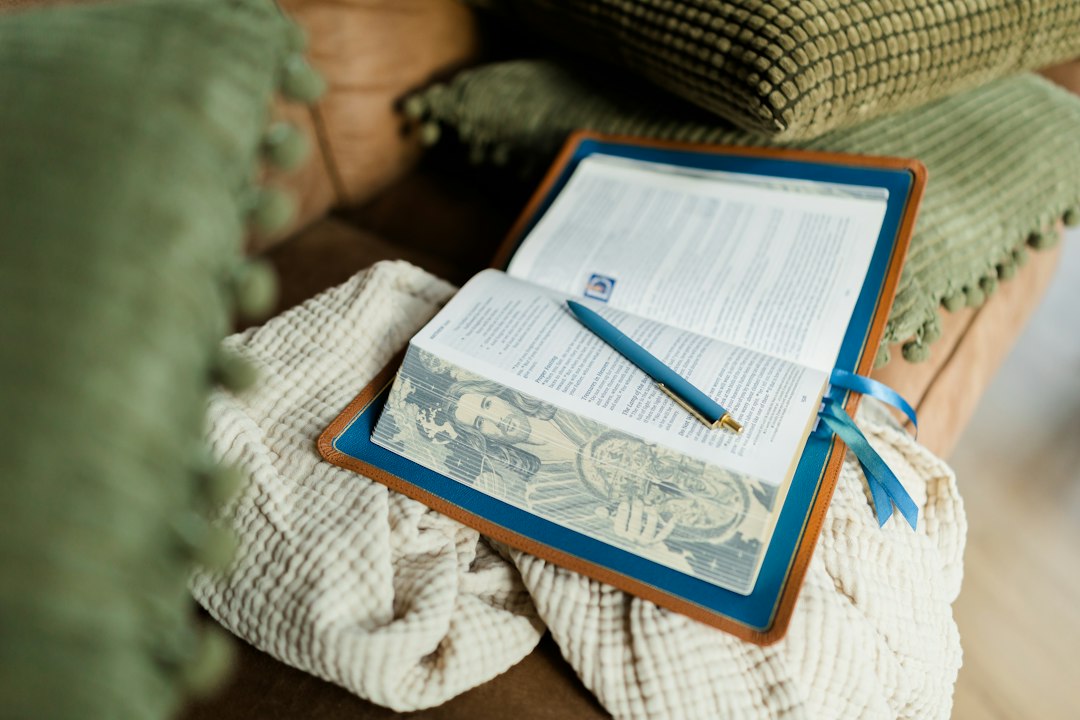
Pairing a devotional with a prayer journal is often the most fruitful approach for beginners. A simple routine:
- Read the devotional or assigned Scripture (5–10 minutes).
- Write one sentence summarizing what stood out.
- Record one specific prayer request and one way you’ll act on the reading.
- Note any answered prayers later in the journal.
This sequence keeps reading from becoming passive and builds an evidence trail of spiritual growth.
One recommended starter journal and why it fits beginners
If you want a ready-made option that combines approachable design with journaling prompts, consider the top-ranked leather prayer journal in our catalog. It’s made to be durable for daily use, includes guided sections for gratitude and requests, and fits beside a Bible or devotional.
Budget and gifting considerations
For personal use, prioritize durability and a layout you’ll actually use—cheap notebooks are fine for experimenting, but a modest-quality journal encourages daily use. For gifts or church giveaways, bulk sets or guided devotional sets are practical and meaningful.
Common beginner mistakes and quick fixes
- Buying a beautiful journal you never open — fix: choose a size that fits your routine (pocket vs. bedside).
- Overcommitting to lengthy devotionals — fix: pick 5–10 minute devotionals to build consistency.
- Expecting daily inspiration only — fix: use the journal to record dry seasons as faithfully as the highs.
Next steps: a simple 4-week plan to build the habit
Week 1: Read one short devotional each morning; write one sentence and one prayer in a journal.
Week 2: Increase to nightly review—note any answers to prayers that week.
Week 3: Add one weekly longer reflection (15–20 minutes) where you expand one journal entry.
Week 4: Decide which formats worked and either continue, upgrade to a themed devotional, or simplify to a single favorite resource.
- Decide whether you need guided readings, a writing space, or both.
- Choose a size that fits where you'll practice (bedside, travel, desk).
- Check for prompted pages if you want structure, or blank pages for free writing.
- Consider durability if you plan daily use for years.
- If gifting, think about bulk sets or themed devotionals for recipients.
Choose a short devotional if you need guided reading and habit-building; choose a prayer journal if you want to record and reflect. For most beginners, a modest guided journal plus a brief devotional offers the best mix of instruction and personal practice.
How long should a daily devotion take?
Five to fifteen minutes is manageable for most beginners; longer times are fine but not necessary to build consistency.
Can I use a plain notebook as a prayer journal?
Yes—plain notebooks are fine, especially if you prefer free writing; prompted journals help if you’re unsure where to start.
Should I follow a devotional every day or only when inspired?
Daily reading, even short passages, builds habit more effectively than only reading when inspired. Treat it as a discipline, not a mood-based choice.
Are devotionals suitable for group study?
Many devotionals are written for individual reflection, but themed devotionals with discussion questions work well in small groups.
How do I track answered prayers?
Reserve a consistent spot in your journal for dates and short notes about answers; reviewing monthly helps you see patterns.